What Your Feet Are Secretly Telling You About Your Liver
Your liver has no nerve endings — it cannot feel pain. But your feet often show the warning signs years before any test does. Here is how to read them.
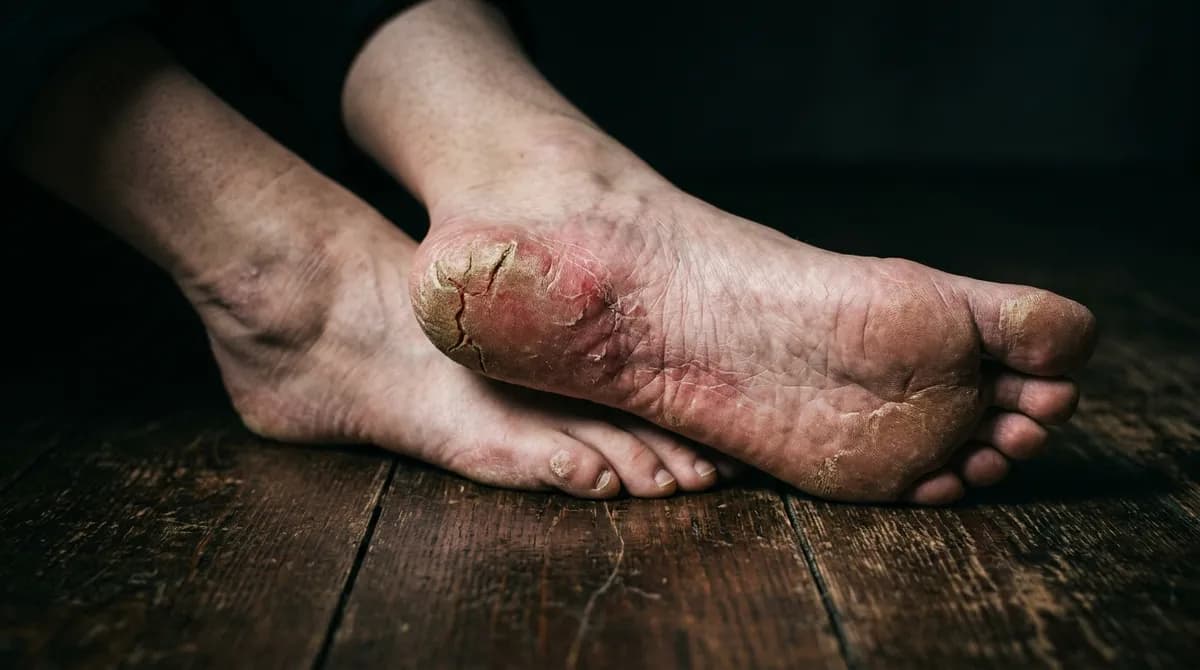
Liver disease kills over 2 million people every year — and most of them had no idea anything was wrong until it was too late. You can see liver-related deaths ticking upward in real time on our live global death counter.
Your liver is one of the only organs in your body that cannot feel pain. It has no nerve endings. By the time most people discover a liver problem, it has been quietly struggling for years. But your feet — the furthest point from your heart — often show the warning signs long before any test does.
Here is how to read them.
Why the Feet?
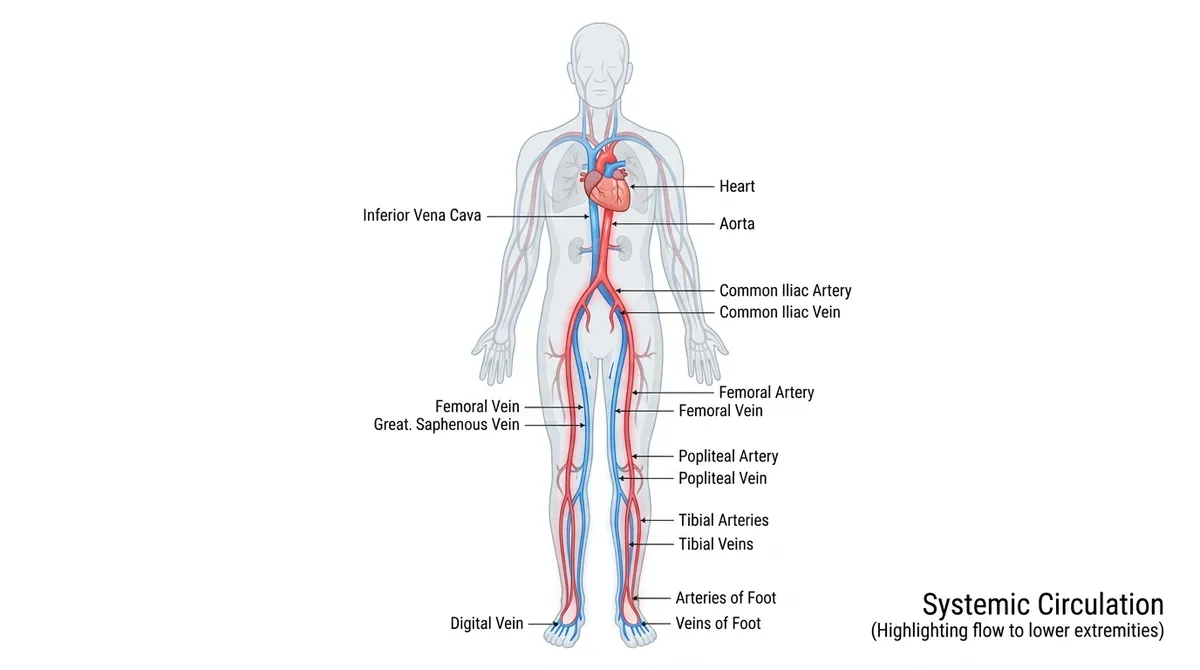
It sounds strange at first. What do your feet have to do with your liver?
The connection is circulation. Your heart pumps blood all the way down to your feet and back again — a round trip of roughly four feet in length. When the liver is compromised, it affects blood quality, hormone balance, fluid regulation, and detoxification. All of these show up most visibly at the body's extremities — the hands and feet — precisely because they are furthest from the heart and receive the poorest circulation when something is wrong upstream.
Think of it like a river. Problems at the source don't always look dramatic at the source. But by the time the water reaches the delta, the damage is obvious.
Important note: These signs are indicators, not diagnoses. If you recognise several of these symptoms in yourself, see a doctor and ask for a liver function blood test. Only a medical professional can confirm a liver condition.
9 Foot and Leg Signs That May Point to a Liver Problem
1. Red and Brown Spots on the Lower Leg
Small reddish-brown specks or dots on the lower leg — sometimes with a slight sheen to them — are a classic sign of poor circulation. The liver plays a central role in blood health. When it is not functioning optimally, circulation suffers, and the lower legs and feet are usually the first place it becomes visible.
This can also be associated with diabetes, so it is worth investigating regardless of which cause is suspected.
2. Spider Veins
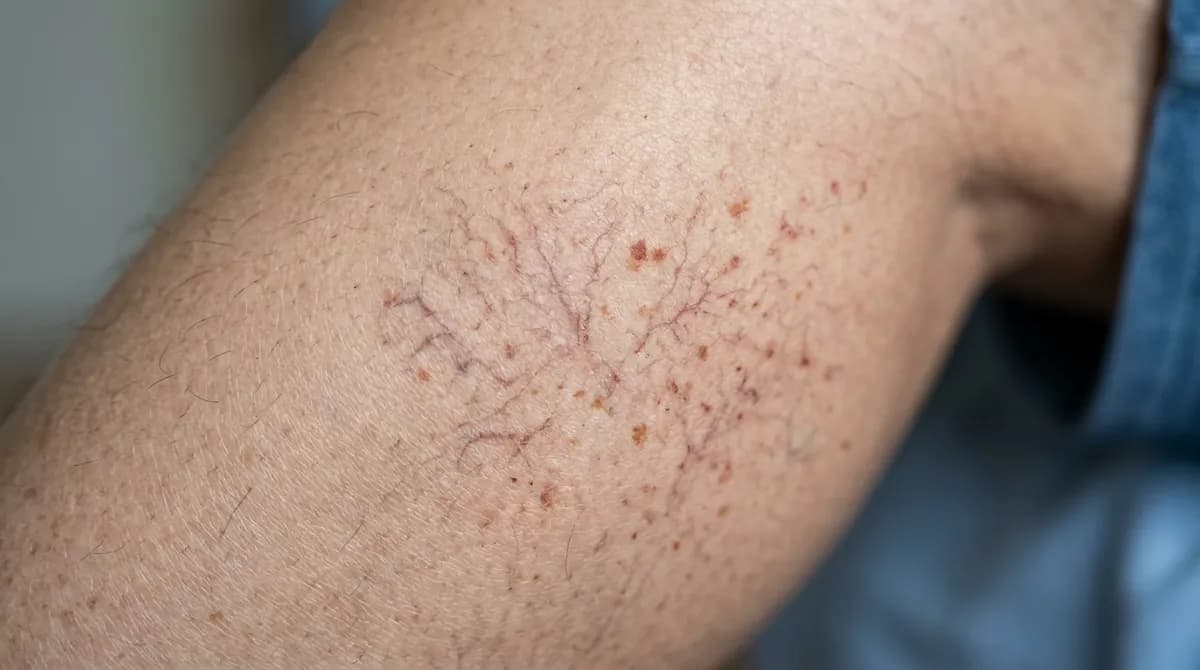
Those fine, web-like clusters of broken veins visible beneath the skin — particularly around the lower legs and ankles — have a specific connection to liver health.
A struggling liver cannot process oestrogen efficiently, causing levels of this hormone to build up in the bloodstream. Excess oestrogen is known to affect and weaken blood vessel walls, leading to the development of spider veins and varicose veins. This pattern is seen particularly in people with cirrhosis.
3. Cracked Heels
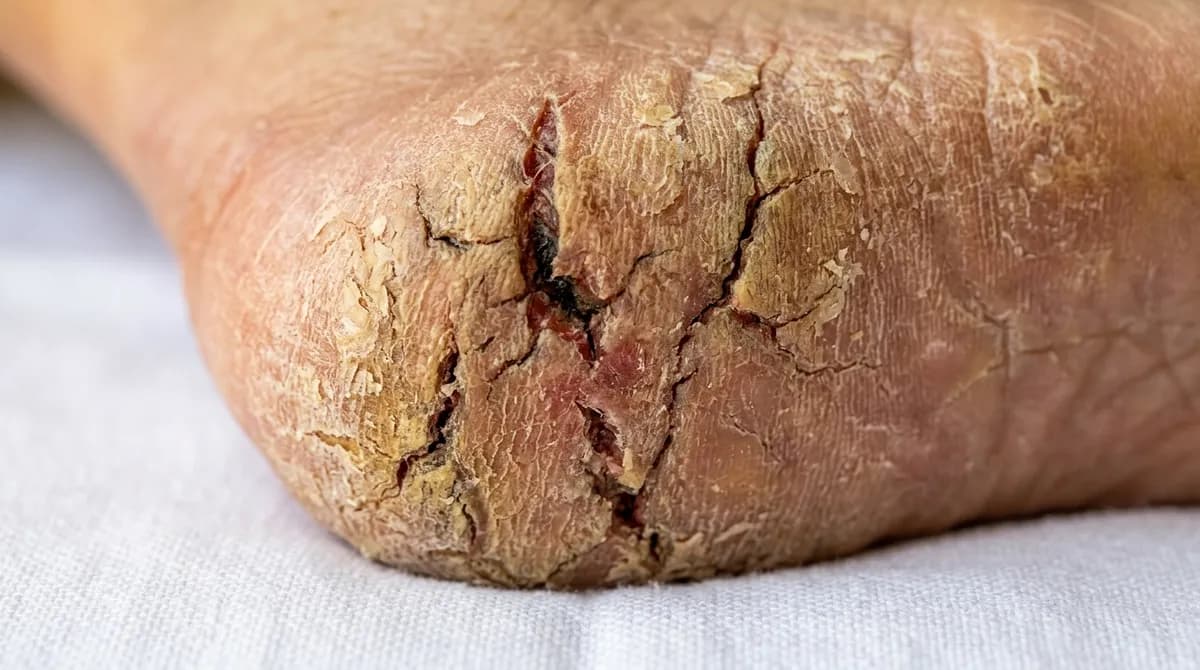
Severely dry, cracked heels are not simply a cosmetic problem or the result of wearing the wrong shoes. They frequently point to nutritional deficiencies — specifically vitamin B3 (niacin) and omega-3 fatty acids.
The liver produces bile, which is essential for absorbing fat-soluble nutrients — including vitamins A, D, E, and K, as well as omega-3 fatty acids. When the liver is not producing adequate bile, these nutrients cannot be properly absorbed regardless of how healthy your diet is.
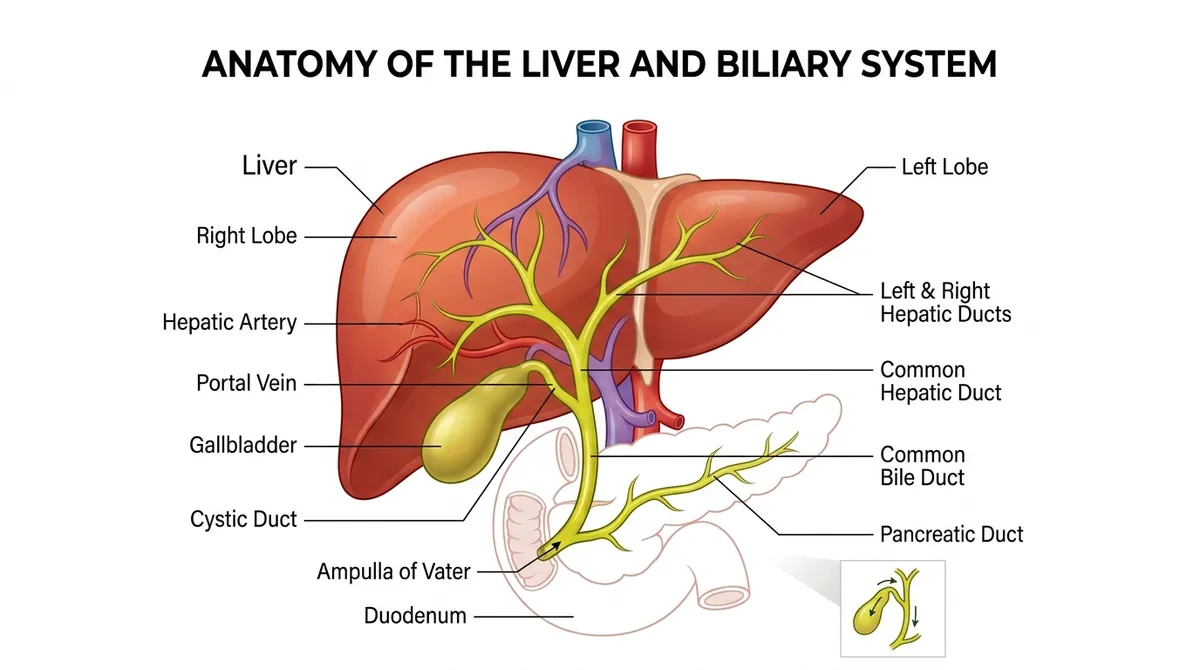
The skin suffers first. A classic deficiency of vitamin B3, historically called pellagra, is characterised by severe skin problems including deep cracking and peeling.
4. Itching on the Soles of the Feet
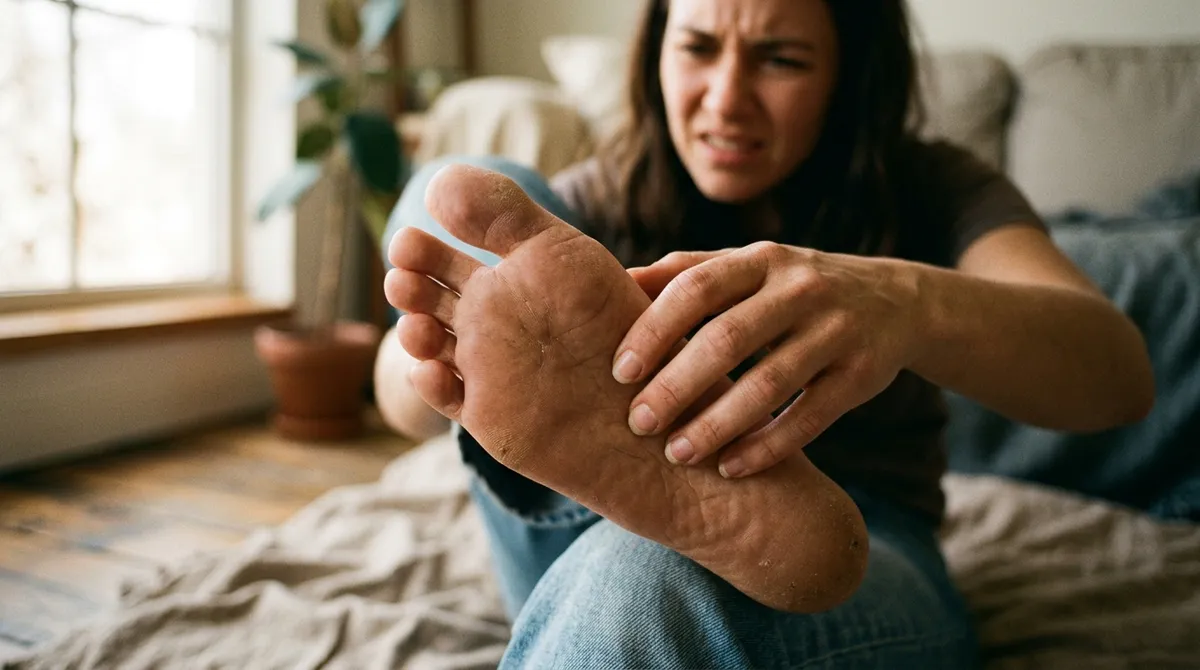
Persistent itching on the bottom of the feet — particularly when there is no visible rash or skin condition — can be a sign of a congested liver.
When the liver becomes backed up, bile can accumulate in the bloodstream rather than flowing normally through the digestive system. Bile salts deposited beneath the skin cause a distinctive, often maddening itch that no amount of moisturiser will fix. This type of itching is well-documented in liver and gallbladder conditions.
5. Pain or Inflammation in the Sole of the Foot
Foot pain along the sole is commonly dismissed as plantar fasciitis — inflammation of the connective tissue running along the bottom of the foot. While plantar fasciitis is a real condition, it is frequently misdiagnosed.
Liver dysfunction can cause referred pain and inflammation in the lower extremities, including the soles of the feet. If you have been treated for plantar fasciitis without improvement, and particularly if other symptoms on this list apply to you, the liver is worth investigating.
6. Hot Feet
A burning sensation in the feet — especially at night — is another symptom associated with compromised liver function. The liver is responsible for regulating a significant amount of the body's metabolic heat. When it is overloaded or damaged, this heat can manifest as a burning sensation in the extremities.
7. Foot Odour
The liver is the body's primary detoxification organ. When it is not working efficiently, toxins that would normally be processed and eliminated begin to accumulate in the body. They look for alternative exit routes — including the skin.
Persistent, unusual foot odour (particularly when hygiene is not the issue) can be a sign that the body is attempting to excrete waste through the skin because the liver and other detox organs are overwhelmed. A struggling liver rarely exists in isolation — the kidneys and colon are usually congested too.
8. Pitting Oedema
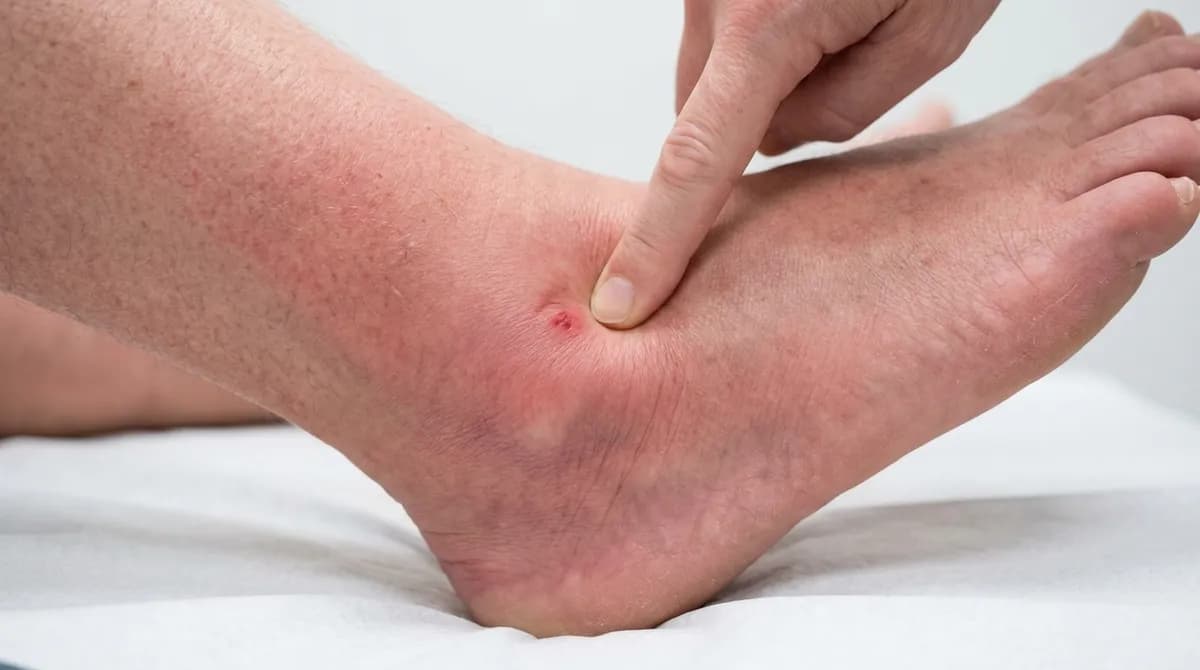
Press your finger firmly into your lower leg or ankle for a few seconds, then release. If the indentation remains — a dent in the skin that does not spring back — this is called pitting oedema, and it is a classic warning sign of fluid retention linked to liver problems.
A healthy liver produces albumin, a protein that helps keep fluid inside your blood vessels. When liver function declines and albumin production drops, fluid leaks out of the vessels and pools in surrounding tissues. The legs and ankles, being lowest and subject to gravity, accumulate it first.
9. White Nail Beds and Loss of the Lunula
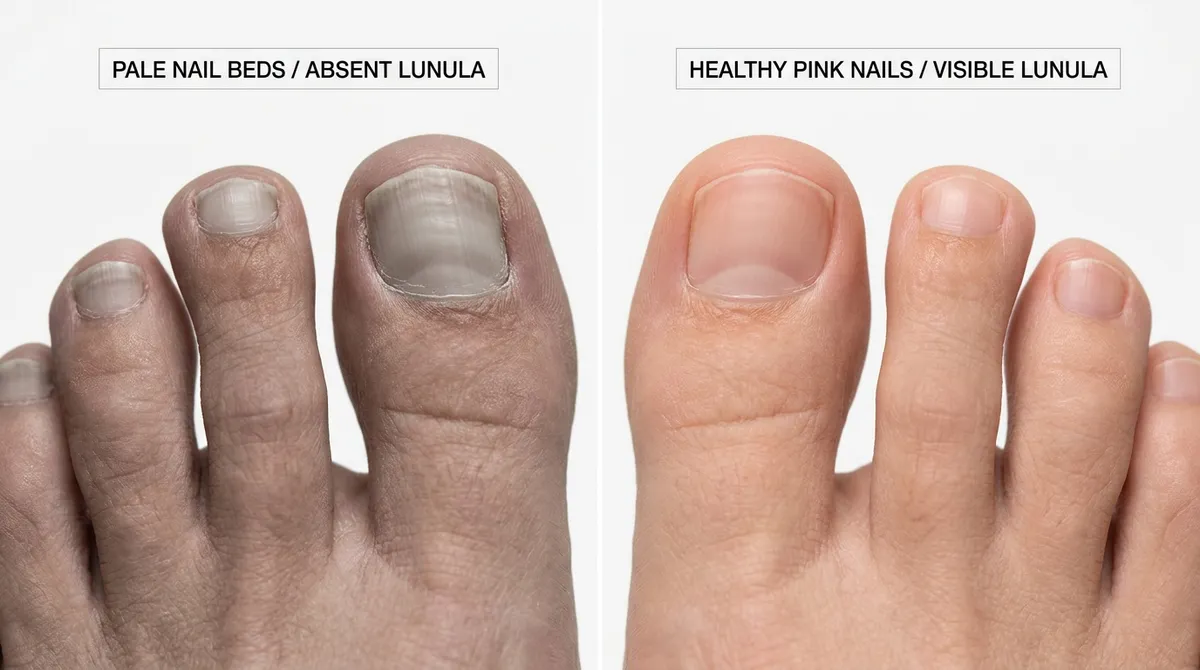
Look at your toenails — and your fingernails too. A healthy nail bed is pink, and most people have a small white half-moon shape (called the lunula) at the base of each nail.
In people with liver problems, the nail bed often turns white or pale. The lunula disappears. This is a result of the poor circulation that accompanies compromised liver function — insufficient blood reaches the nail bed, stripping it of its colour. This finding, known in clinical settings as Terry's nails, is strongly associated with chronic liver disease.
10. Toenail Fungus
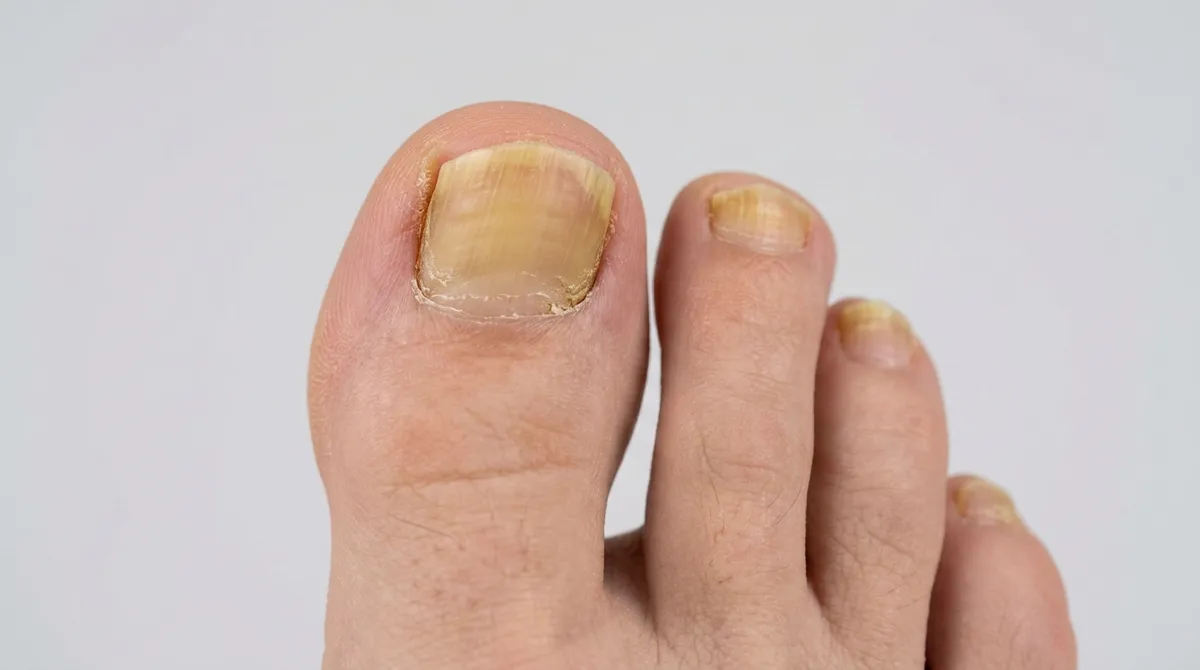
While toenail fungus has many causes, a persistent or recurring fungal infection that doesn't respond to treatment is worth connecting to gut and liver health.
The liver plays a crucial role in maintaining the balance of microorganisms in the body. When liver function is impaired, the balance of gut flora is disrupted, creating conditions that allow yeast and fungal organisms to overgrow. This shows up not just in the gut but on the skin — as dandruff, psoriasis, and toenail fungus. Treating the symptom without addressing the underlying liver and gut health is why so many fungal infections keep returning.
What Actually Damages the Liver?

Understanding the signs is only useful if you also understand the causes. The most common contributors to liver damage in otherwise healthy people are:
Diet high in sugar and refined carbohydrates — particularly high-fructose corn syrup, which the liver processes differently to other sugars and which is directly linked to non-alcoholic fatty liver disease.
Excessive alcohol — the most well-known cause, and for good reason.
Medication overuse — many common medications, including paracetamol (acetaminophen) in high or frequent doses, place significant burden on the liver.
A diet lacking in raw vegetables — raw plant foods supply enzymes and antioxidants that support liver detoxification. A diet of processed and cooked foods provides none of these.
Excessive protein intake — protein metabolism produces nitrogen waste, which the liver must process. Very high protein diets over long periods can overload both the liver and kidneys.
Seed oils and trans fats — highly processed vegetable oils promote inflammation and contribute to fat accumulation in liver cells.
What Supports Liver Recovery?

The liver is one of the most regenerative organs in the human body. Given the right conditions, it has a remarkable capacity to heal. The foundations are straightforward:
- Eliminate or dramatically reduce sugar and alcohol
- Increase raw vegetables, particularly bitter greens (rocket, dandelion, chicory) which actively stimulate bile flow
- Reduce ultra-processed foods and seed oils
- Stay well hydrated with clean water
- Consider intermittent fasting, which gives the liver a significant period of rest and promotes cellular repair
- Supplement with milk thistle (silymarin), which has strong research support for liver cell protection and regeneration
The Bigger Picture
Your feet are not just for walking. They are, in a very real sense, a window into what is happening inside your body at the deepest level.
The signs described here are not causes for panic — they are causes for attention. The liver is a resilient organ, and most of the conditions that damage it are directly related to lifestyle choices that can be changed. Catching the signs early, when the liver is congested or struggling rather than severely diseased, is exactly when dietary and lifestyle changes can make the greatest difference.
Look at your feet. They may be trying to tell you something your liver cannot.
While you have been reading this, approximately 950 people have died worldwide — many from conditions where liver disease was a contributing factor. See the numbers in real time on our live death counter.
This article is for educational purposes only and does not constitute medical advice. If you are experiencing any of the symptoms described, consult a qualified healthcare professional for proper assessment and diagnosis.
You might also like
Heart Attack Warning Signs Your Body Shows a Month Before
Most heart attacks don't come out of nowhere. Your body often sends warning signals weeks before the event — fatigue, breathlessness, chest pressure, and more. Here are the signs most people miss.
How Stress Kills — The Biological Pathway From Chronic Stress to Early Death
Chronic stress contributes to over 1 million deaths per year worldwide by driving heart disease, stroke, and immune collapse. Here is how the biology works and what the data shows.
Sleep Deprivation and Death — How Poor Sleep Raises Your Risk of Everything
Chronic sleep deprivation contributes to over 1.2 million deaths per year worldwide. Here is what the data shows about how poor sleep increases your risk of heart disease, cancer, dementia, and early death.