What Happens to Your Body When You Quit Sugar for 14 Days
Most people know sugar isn't good for them. Far fewer know what actually happens — hour by hour, day by day — when they stop eating it entirely. Here's what the science says.

Sugar-related diseases kill over 4 million people every year — that is roughly one death every eight seconds. You can see this in real time on our live global death counter where cardiovascular disease and diabetes, both fuelled by excess sugar, dominate the numbers.
So what actually happens inside your body when you stop?
The First 72 Hours: The Hardest Part Is Already Behind You
Before the good stuff starts, your body has to go through a short withdrawal period. For the first three days you may feel tired, irritable, or even foggy — this is completely normal. Your body has been running on sugar as its primary fuel for years. Switching energy systems takes a little time.
Here's the thing though: it is only three days. Anyone can do three days. After that, the transformation begins.
Quick tip: Taking B vitamins (from nutritional yeast) and potassium during the first three days can dramatically reduce or even eliminate withdrawal symptoms.
Day 1–3: Your Cravings Begin to Disappear
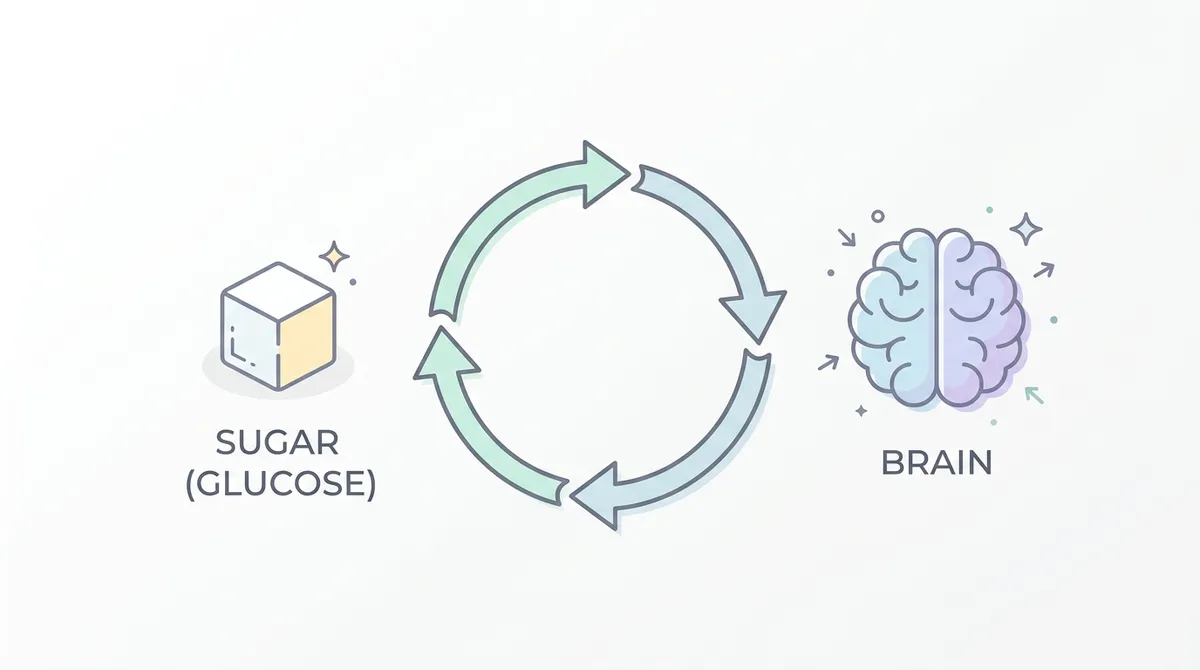
This sounds too good to be true, but it is backed by how your hormones actually work.
Every time you eat sugar, your body releases insulin to push your blood glucose back down. This creates a mild blood sugar dip — and that dip is what makes you crave sugar again 20 minutes later. It is a loop. Sugar creates the craving for more sugar.
When you remove sugar entirely, the loop breaks. Within a few days, the cravings that felt overwhelming simply stop showing up. Not because of willpower — because the biological trigger is gone.
Day 3–7: You Lose Serious Weight (Mostly Water First)
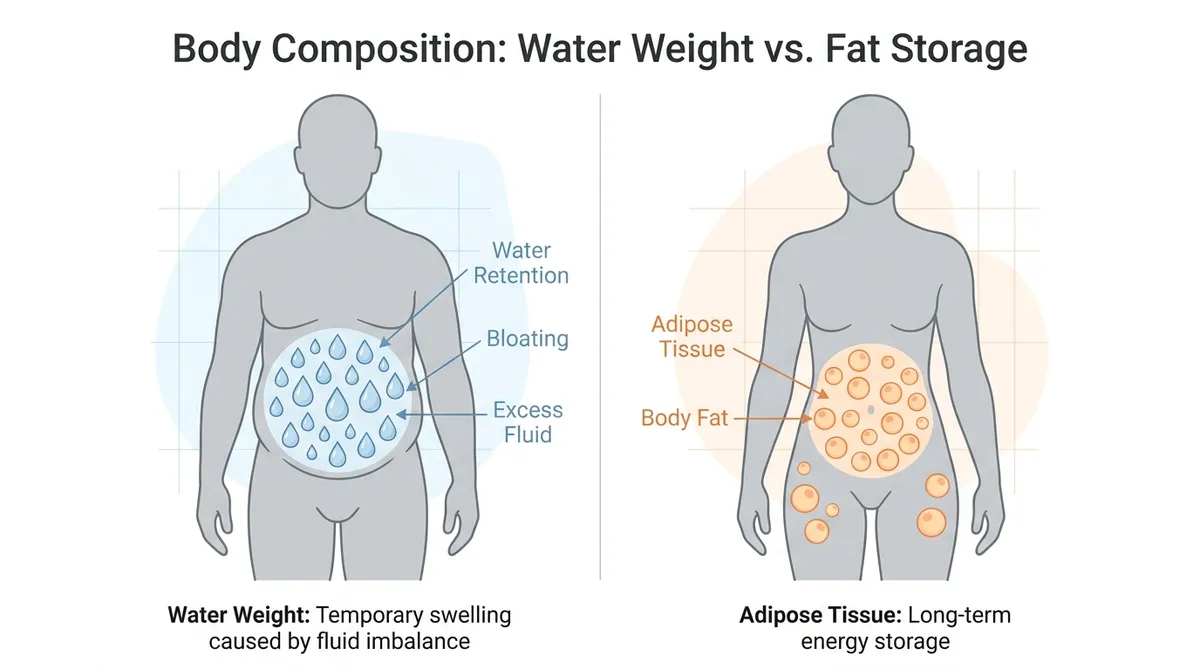
One of the most surprising early changes is how much fluid your body has been retaining because of sugar.
Excess sugar triggers inflammation, and inflammation causes your tissues to hold water. Many people lose 5–13 pounds of fluid in the first week alone. Your clothes will feel looser, especially around your waist — the stomach and midsection are among the first places to respond.
After the first week, the weight you lose shifts from water to fat. Your body, no longer receiving a constant supply of glucose, starts burning its stored fat reserves instead. This is the metabolic shift that makes long-term weight loss sustainable rather than temporary.
Day 4–7: You Stop Feeling Hungry All the Time
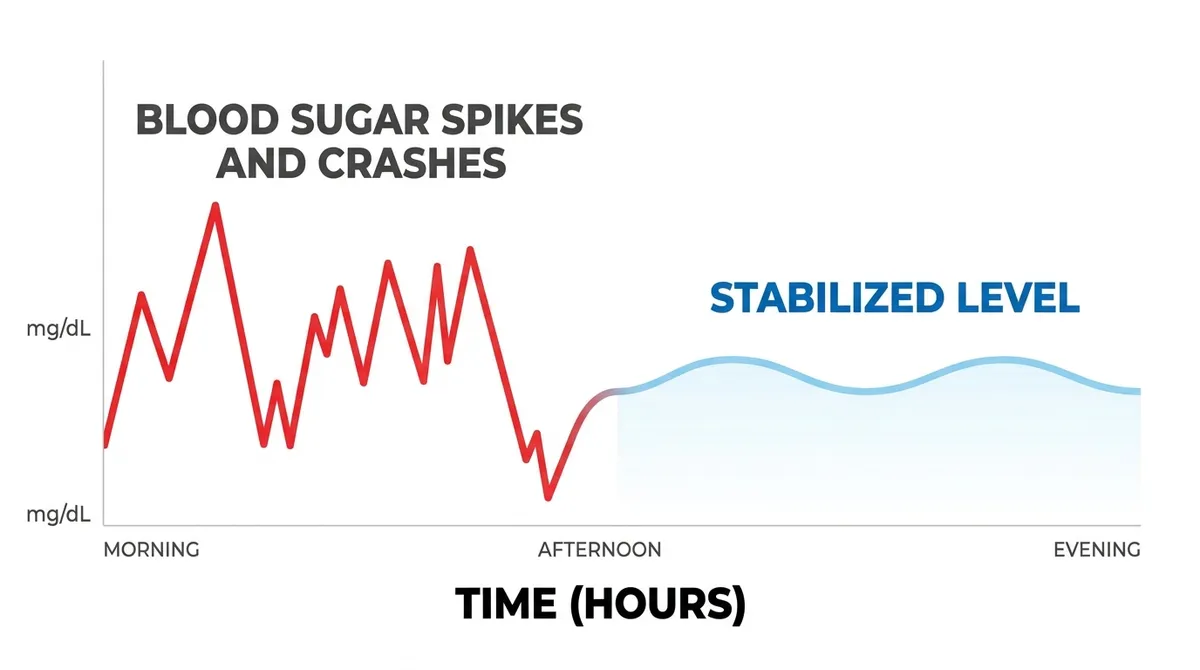
Constant hunger is not a character flaw. It is a blood sugar problem.
When you live on sugar and refined carbohydrates, your blood glucose spikes and crashes repeatedly throughout the day. Each crash sends a hunger signal to your brain. This is why you can eat a large meal and feel hungry again two hours later.
Stable blood sugar means stable hunger signals. Most people find that after a week without sugar, they naturally eat less — not because they are restricting themselves, but because they simply are not hungry as often. Meals become satisfying in a way they never were before.
Week 2: Your Brain Comes Alive

By the second week, something remarkable happens cognitively.
Sugar impairs brain function in ways most people never connect to their diet. The afternoon slump, the inability to concentrate, the foggy feeling after lunch — these are not inevitable features of adult life. They are symptoms of blood sugar instability.
When you switch your body's fuel source from glucose to ketones (the energy molecules produced when burning fat), your brain receives a cleaner, more consistent energy supply. Most people report:
- Noticeably sharper focus and concentration
- Better memory and mental clarity
- Calmer mood and less anxiety
- More consistent energy throughout the day without crashes
This is not a placebo effect. Ketones actively support the growth of new nerve cells and reduce neurological inflammation. Your brain is, in a very real sense, running better.
Your Skin Changes Noticeably
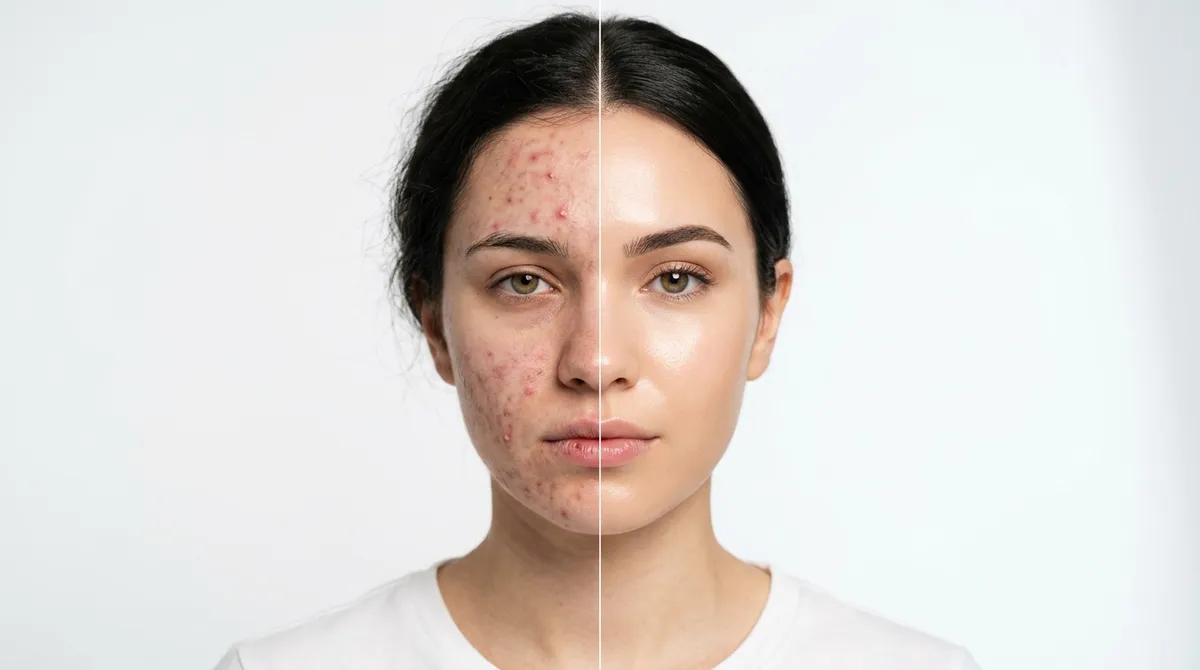
The connection between sugar and skin is direct and well-established.
When insulin spikes, it triggers a rise in androgens — hormones that stimulate the skin's oil glands. The result is acne, particularly along the jawline and cheeks. In women, this hormonal disruption is especially pronounced. In men, chronically elevated insulin suppresses testosterone production, which carries its own set of consequences.
Cut the sugar, stabilise the insulin, and the skin typically clears within 10–14 days. People who have struggled with adult acne for years are often stunned at how quickly it resolves when diet is addressed.
Your Liver Begins to Heal
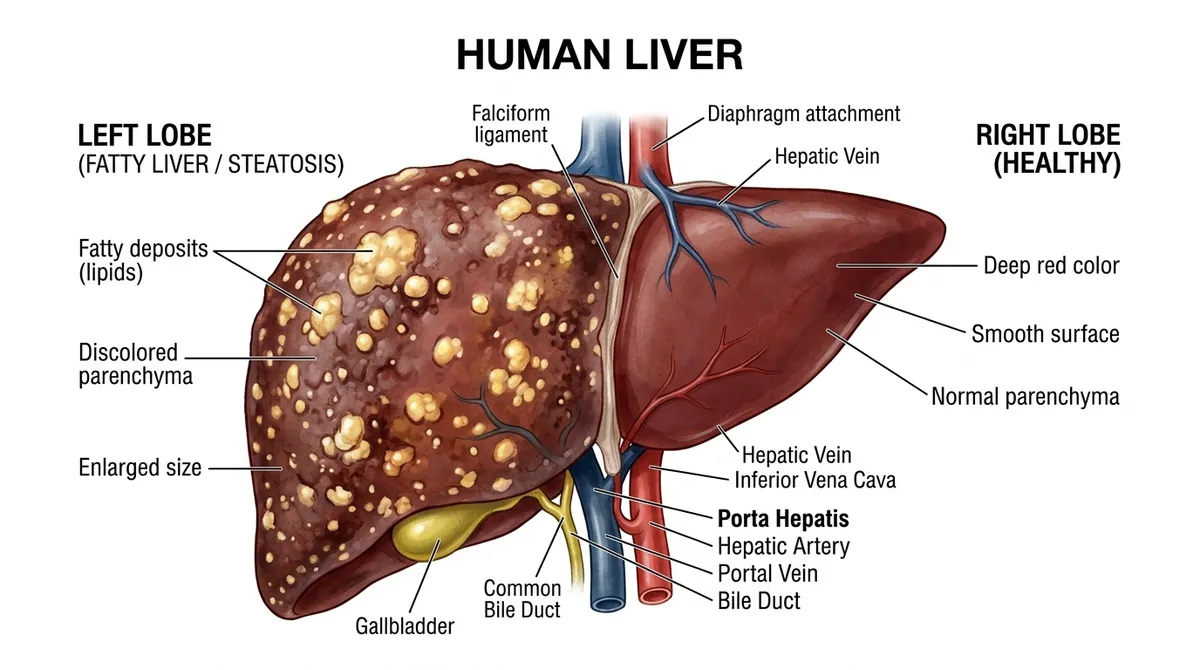
Non-alcoholic fatty liver disease — caused primarily by excess sugar and refined carbohydrates — is now one of the most common chronic conditions in the developed world. Most people who have it do not know.
A telling sign: if you carry significant weight around your abdomen, there is a high probability your liver has accumulated fat. Within two weeks of eliminating sugar, the liver begins to clear that fat and use it as fuel. The process is not instant, but the direction of change begins on day one.
Your Joints Feel Better

Inflammation is the common thread running through most chronic disease. Sugar is one of the most powerful inflammatory drivers in the modern diet.
As your sugar intake drops to zero, systemic inflammation decreases. For many people this shows up as reduced joint stiffness, less pain, and greater physical ease — especially in the mornings. People who have lived with low-grade inflammation for so long they considered it normal are often surprised to discover what it feels like without it.
Your Heart and Kidneys Get Breathing Room

Chronically high blood sugar damages blood vessels and places strain on the kidneys — this is why diabetes is so closely associated with kidney disease and cardiovascular problems. Even in people without a diabetes diagnosis, years of high sugar intake creates arterial inflammation and plaquing that quietly raises the risk of heart attack and stroke.
Fourteen days without sugar will not reverse years of damage overnight. But it will stop the ongoing damage, begin reducing arterial inflammation, and meaningfully improve kidney function — effects that compound significantly over months and years.
Our cardiovascular disease statistics page shows just how dominant heart disease is as a global killer — and sugar is one of its most modifiable risk factors.
The Bottom Line

Two weeks without sugar is not a punishment. It is an experiment — one that most people who try it describe as life-changing.
The first three days are the hardest. After that, the cravings fade, the hunger stabilises, the brain sharpens, the body lightens, and the skin clears. Most people who complete 14 days do not go back, not because they are disciplined, but because they feel too good to return to how they felt before.
The proof, as they say, is in the pudding. Though perhaps not that particular pudding.
While you have been reading this article, roughly 700 people have died worldwide — many from conditions directly linked to diet. Watch it happen in real time on our live death counter.
Sources: World Health Organisation dietary guidelines; peer-reviewed research on insulin resistance, ketone metabolism, and neurological function. Always consult a healthcare professional before making significant dietary changes, particularly if you have a pre-existing condition.
You might also like
Blue Zones: What the Longest-Living People on Earth Eat
Five regions produce the most centenarians on earth. Their diets are remarkably similar — and remarkably different from what most of the Western world eats. Here is what they eat, how much, and why it works.
How Stress Kills — The Biological Pathway From Chronic Stress to Early Death
Chronic stress contributes to over 1 million deaths per year worldwide by driving heart disease, stroke, and immune collapse. Here is how the biology works and what the data shows.
Sleep Deprivation and Death — How Poor Sleep Raises Your Risk of Everything
Chronic sleep deprivation contributes to over 1.2 million deaths per year worldwide. Here is what the data shows about how poor sleep increases your risk of heart disease, cancer, dementia, and early death.